Project Dynamics
addtimes:2026-09-28 click:8 author:Gimsun
In a luminous signage project, most people fixate on how beautiful the materials look and how the lighting performs. We see it differently. For us, the real work is predicting what could go wrong during installation—so overseas stores can install fast, with confidence.

Back home, a mismatched mounting hole or a small size deviation gets fixed on the spot. Overseas, that flexibility is gone. Once goods land abroad, sending them back for rework is nearly impossible. Language barriers, unfamiliarity with our production methods, and limited tools on site—each one raises the risk of a failed install and a store that misses its opening date.
Recently, for a retail brand's store display project in Southeast Asia, we supplied a full set of metal-rimmed luminous letters and large frameless lightboxes.
So we studied the installation environment early, simulated potential problems, and set one clear goal: whatever can be done in the factory stays in the factory. Nothing is left for the store to improvise.
For wall-mounted luminous letters, we embed threaded rods into the back of each letter shell and include an installation template. On-site workers simply follow the drawings—no guesswork, no rework.
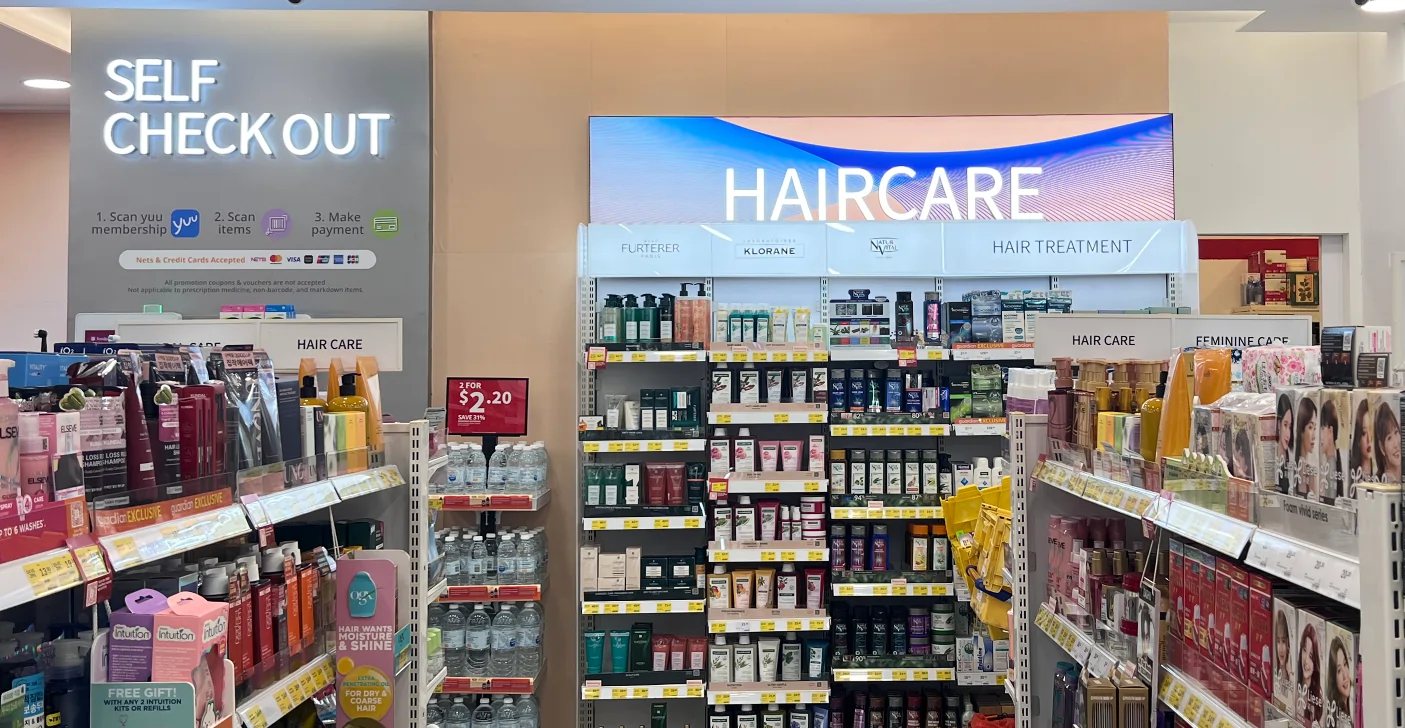
For logos that hang from the ceiling, we designed a dedicated stainless steel U-shaped load-bearing channel. The back panel and wiring are all finished in the workshop. On site, crews only fix the U-channel to the ceiling—no welding required.

We did not build the extra-long lightboxes as a single slab. A full sheet warps and gets knocked around in transit, and it's a pain to move. Instead, we split it into standardized modules, pre-installing the light strips and male-female connectors in the factory. This modular design speeds up assembly and disassembly—and shields clients from the risks of shipping and installation.

If you plan to source luminous signage cross-border, align these details with your supplier up front:
Every letter, lightbox, and LOGO needs its mounting method, back panel design, wiring route, and power connection points spelled out in advance.
Every on-site wire strip or weld is a potential failure point. Pre-terminated quick-connect plugs let local workers make electrical connections with no special tools or training.
In communication, drawings beat spoken descriptions—they cross time zones, languages, and skill levels. If your supplier packs templates in the container, on-site crews can install quickly and smoothly.

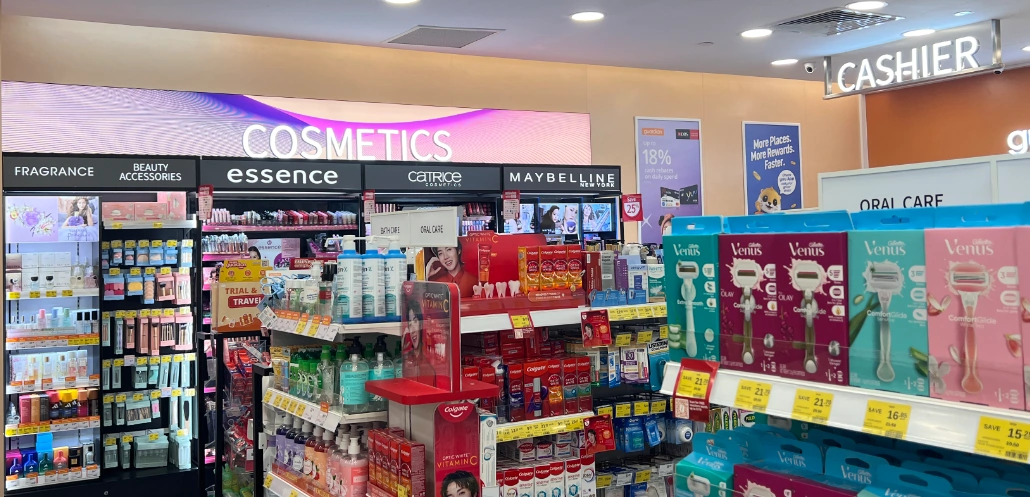
Even the finest product can't offset the cost of a failed installation. What truly decides whether an overseas signage project succeeds is not just product quality—it's deep overseas production experience and the ability to anticipate installation problems before they happen.
Besides materials, aesthetics, and lighting, you also need to weigh installation method, transport protection, wiring, on-site tooling, crew skill level, and how quickly the pieces can be installed.
Common risks include misaligned holes, size deviations, wiring errors, transit deformation, no on-site welding capability, language barriers, and insufficient tools—any of which can delay a store's opening.
The factory can supply installation templates, detailed drawings, pre-embedded threaded rods, quick-connect plugs, standardized modular design, and clear instructions to help on-site crews install quickly.
The most effective approach is to confirm the installation environment and site conditions with your supplier early, complete complex steps in the factory, and pair the shipment with full drawings, templates, quick-connect plugs, and modular design—removing problems at the source.